Almost every renewal conversation I join starts with a technology question. “Should we go ST 2110?” “Is it time for cloud?” “Can we stay on SDI for another cycle?” They are fair questions. They are just not the first ones.
This is the first part of a short series on hybrid infrastructure. The second part is about why SDI is not dead. The third, a whitepaper, puts the pieces together.
Start with the output
A control room exists to make programmes. So the first thing to write down is not an architecture, it is a list: what do you produce, how often, with how many people, and what does the output have to be in three years?
That list is usually shorter than people expect, and more revealing. A regional broadcaster I worked with produced two daily bulletins, one weekly talk show and a sports magazine. Their renewal plan had been written around “flexibility for the future”. When we listed the actual productions, the flexibility they needed was concrete: a second studio sharing resources in 2028, and two remote feeds for sports. Everything else was nice to have.
Then the workflow
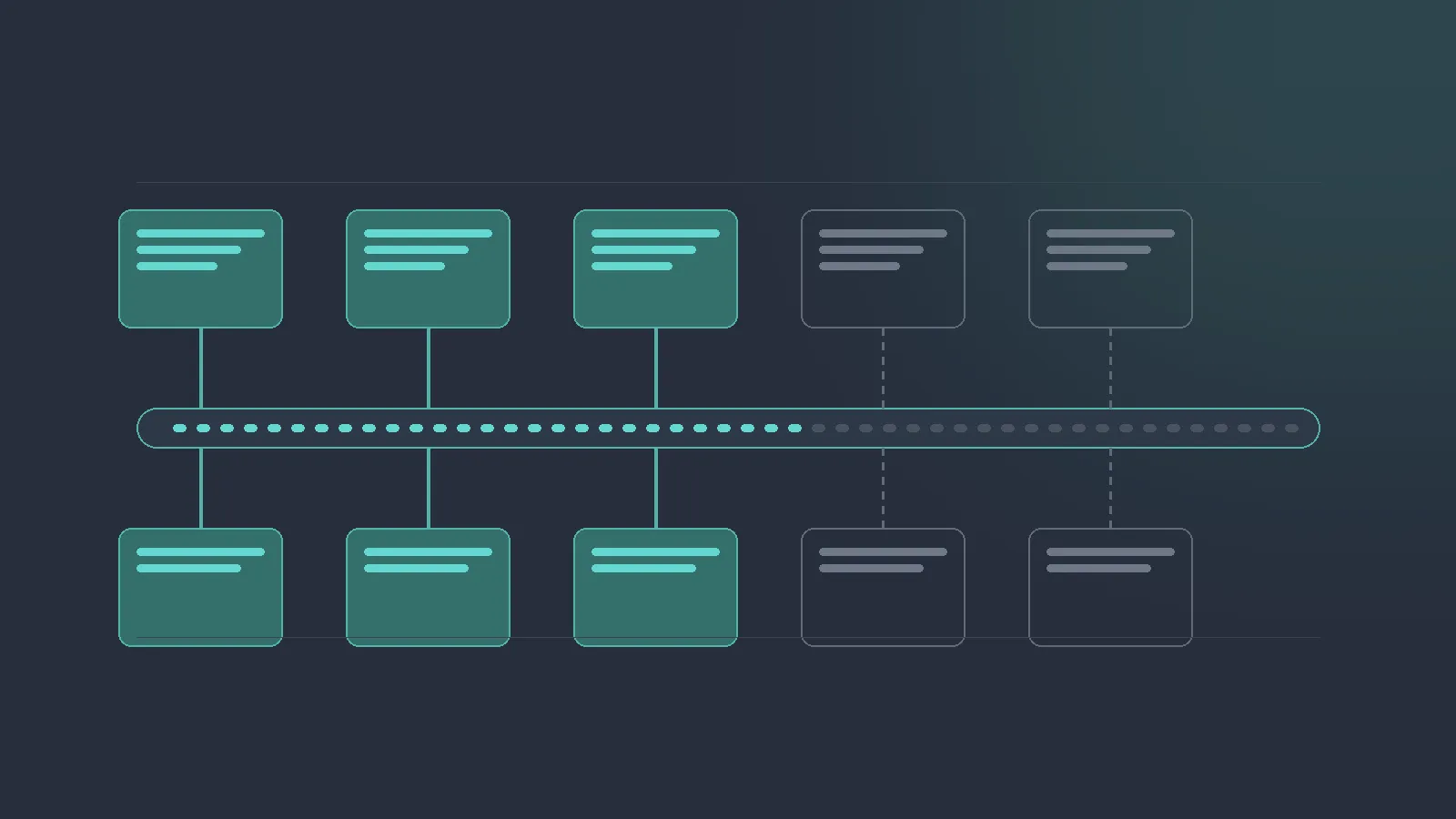
The next question is how the work flows through the building. Who prepares, who operates, who checks? Where do people sit? What happens at a shift change, during a failure, when a show runs late? What has to be live, and what can be done in advance?
This is where most of the money goes, and where most renewal plans are thin. A workflow description does not need to be long. One page per production type, with the people, the steps and the exceptions, is enough to design from. It is also the document your vendors will need to size the system, and the one your operators will recognise themselves in.
Only then the technology
With the output and the workflow on paper, the technology questions answer themselves, and the answers are rarely absolute.
- Signals that stay inside one room, between a handful of devices, with no plan to move them: SDI is still the simplest and most reliable choice.
- Signals that need to be shared between rooms, scaled up on big days, or produced from more than one location: IP earns its complexity.
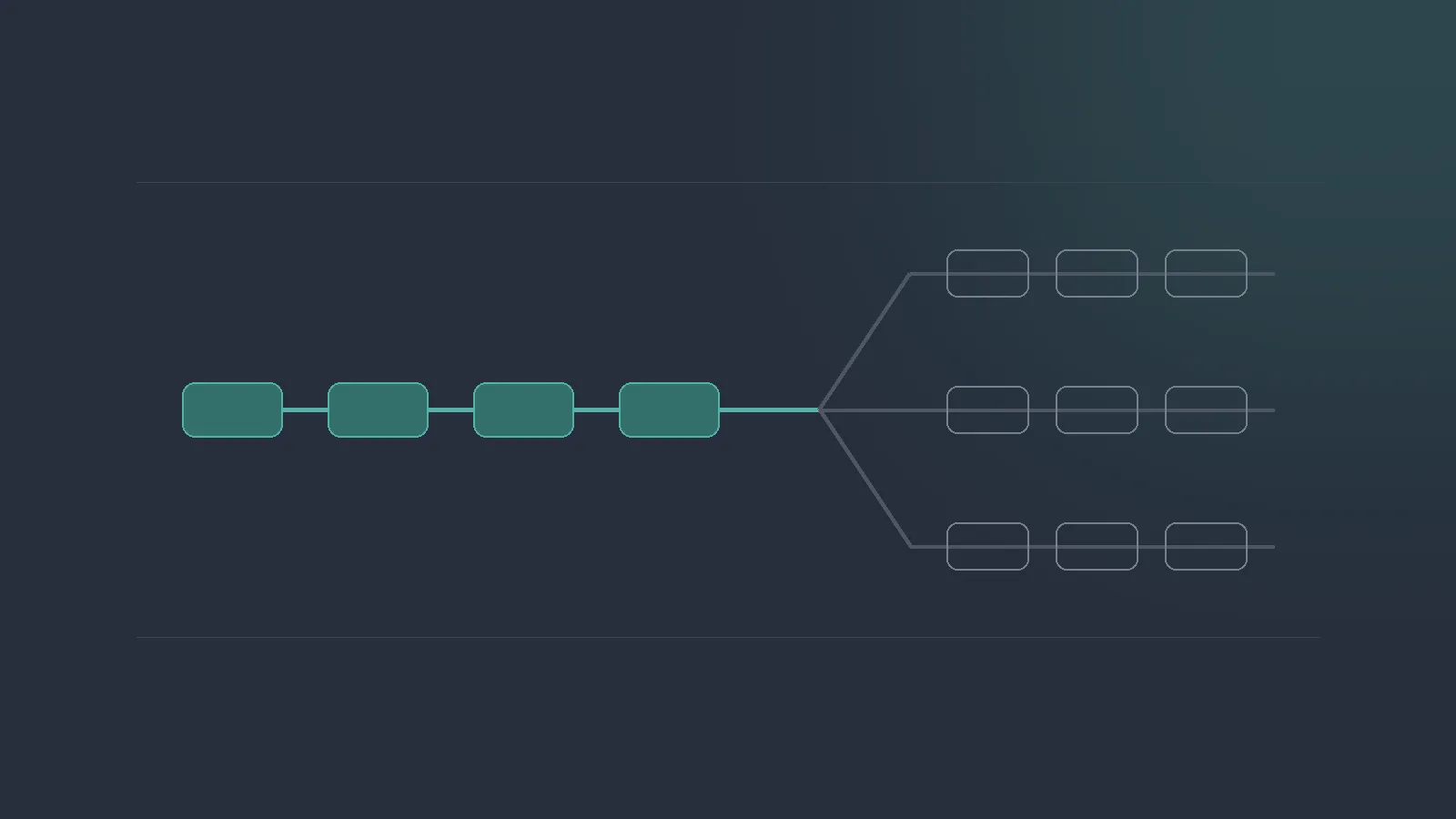
- Processing that runs in bursts, or that the second studio should share: software-defined functions on common servers, on premise or in the cloud, depending on where your people and your content are.
Most facilities end up with all three. That is not indecision, it is a design. The mistake is to pick one as a principle and then bend the workflow to fit it.
What to do with it
- Write the production list first. Shows, frequency, people, peaks, and what changes in three years.
- Describe each workflow on one page. Steps, roles, exceptions. Ask the operators to correct it.
- Mark what must be live and what must be shared. Those two properties decide most of the SDI, IP and software questions.
- Only now talk to vendors. Give them the workflow, not a wish list of technologies.
In short
Technology is the answer to a question, and the question is how you produce. Write that down first, and the SDI, IP and cloud decisions become smaller, clearer and cheaper to get right.
Starting a renewal and not sure where to begin? Begin with the production list. I’m happy to look at it with you.
Found this useful? Pass it on to someone facing the same decision.